Brak produktów
Produkt dodany poprawnie do Twojego koszyka
Ilość produktów w Twoim koszyku: 0. Jest 1 produkt w Twoim koszyku.
Kultura i sztuka
- Nowości
- NAGRODY LITERACKIE
- ZAPOWIEDZI
- BESTSELLERY
- PODRĘCZNIKI SZKOLNE
- TataTeżCzyta
- DZIEŃ KOBIET
- OFERTA WALENTYNKOWA
- ZIMA
- WAKACJE
- WIOSNA
- BOŻE NARODZENIE
- POLECAMY
- PROMOCJE
- PAKIETY
- Artykuły papiernicze
- Audiobooki i płyty
- Gry, puzzle, zabawki
- Architektura
- Biografie i autobiografie
- Czasopisma
- Edukacja
- Eseje i felietony
- Fantastyka
- Historia
- Kalendarze
- Kryminał, sensacja, thriller, horror
- Komiksy
- Kultura i sztuka
- Kuchnia i diety
- Literatura dziecięca
- Literatura młodzieżowa
- Literatura faktu
- Literatura piękna
- Literatura obyczajowa i romans
- Literatura podróżnicza
- Literatura w języku ukraińskim
- Medycyna
- Nauki ekonomiczne
- Nauki humanistyczne
- Nauki polityczne
- Nauki ścisłe i przyrodnicze
- Poezja
- Poradniki
- Psychologia i socjologia
- Rekreacja
- Religie
- Wiedza alternatywna i ezoteryka
- Wywiady, listy i wspomnienia
- Zdrowie i uroda
- Zima
- JESIEŃ
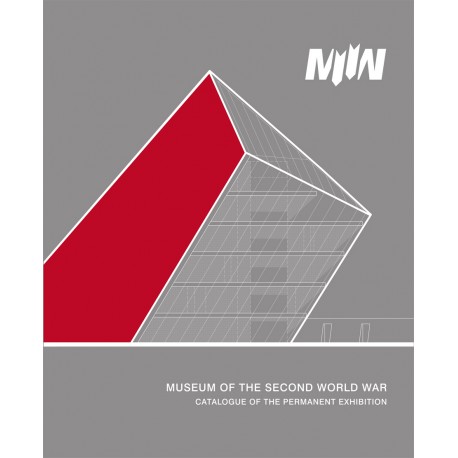
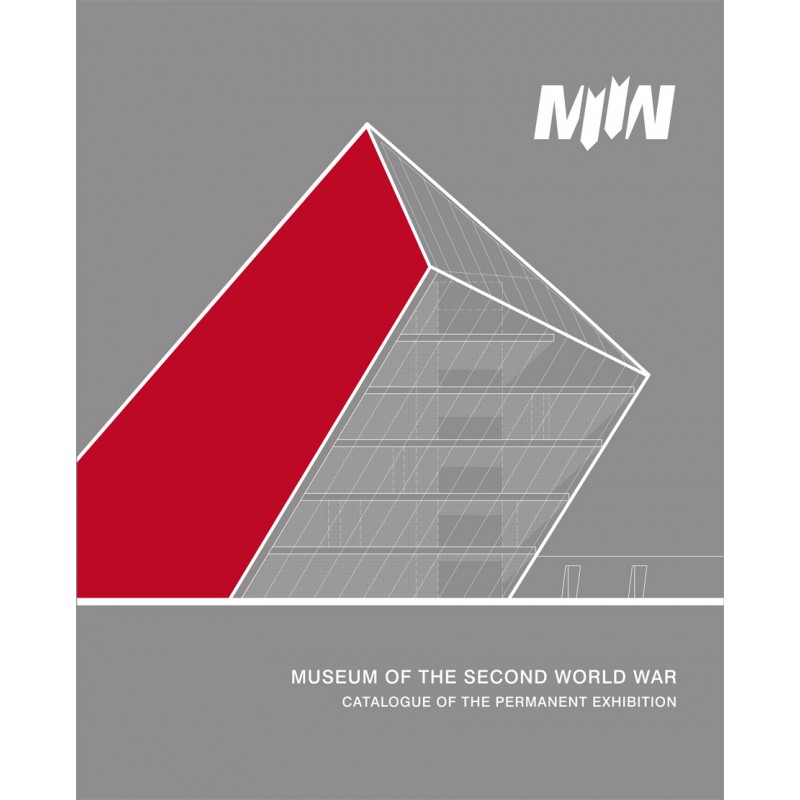
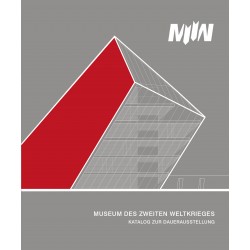
Museum of the Second World War. Permanent Exhibition Catalogue (Revised edition)
Praca zbiorowa
978-83-65957-65-8
Nowy
14 egz.
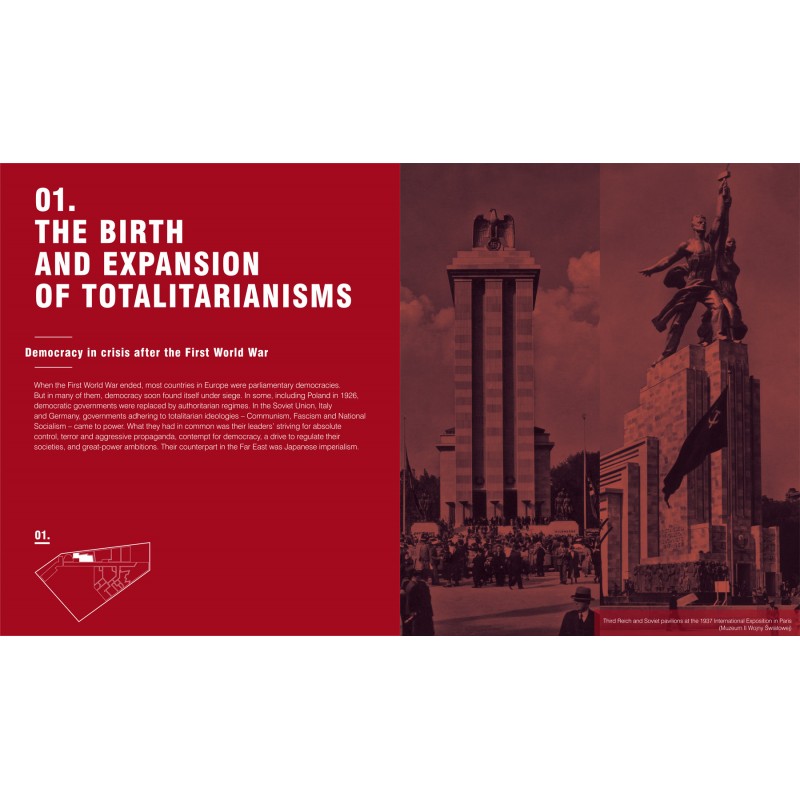
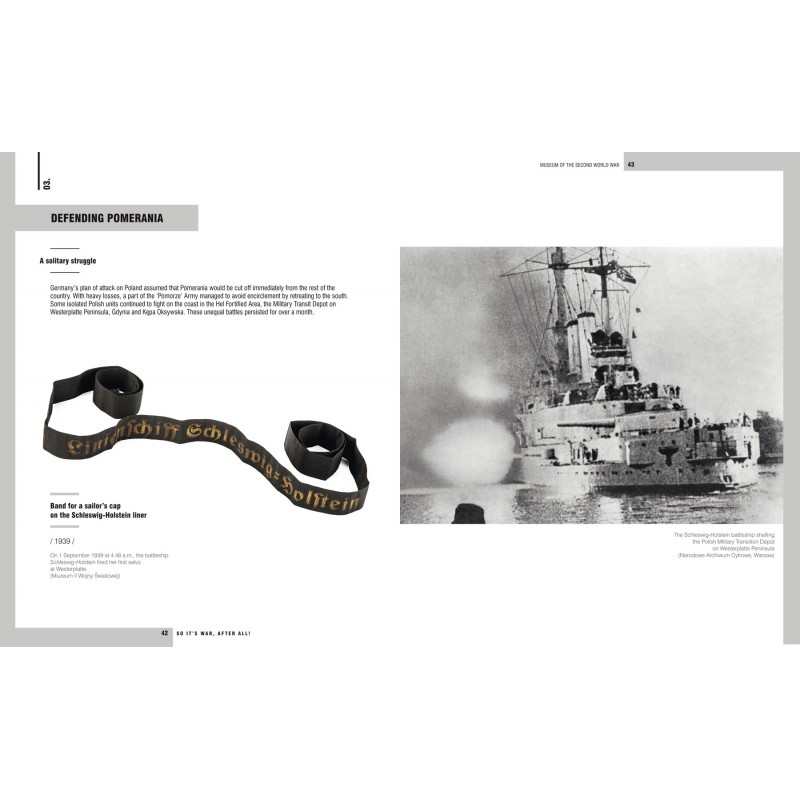
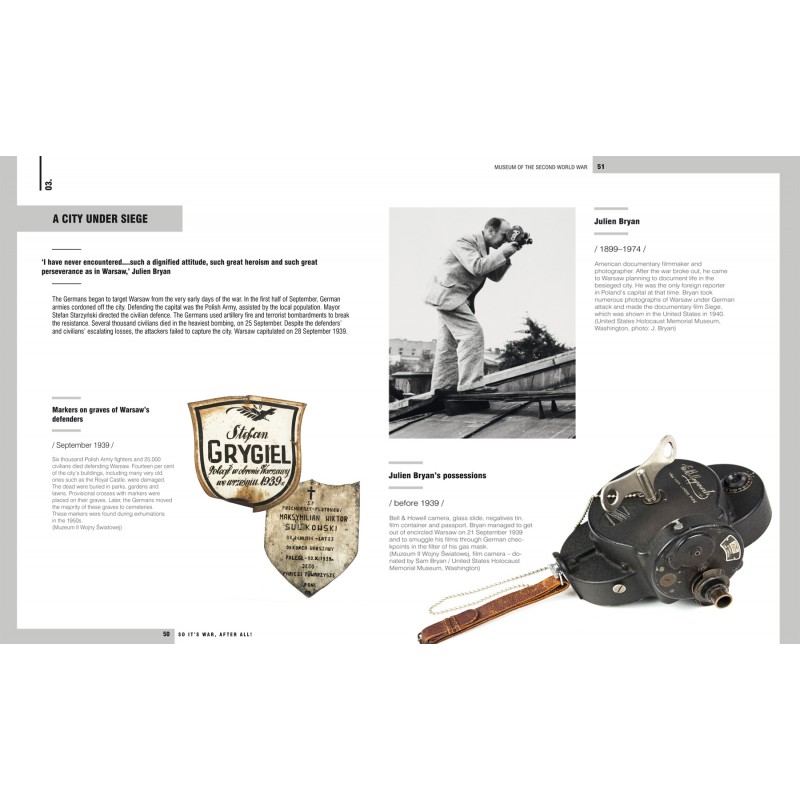
The latest English-language edition of Museum of the Second World War’s main exhibition catalogue is aimed at foreign audiences. The international catalogue readers now get a chance to discover more about one of Europe's largest narrative exhibitions devoted to the tragic history of the 20th century.
48,99 zł
49,00 zł najniższa cena z 30 dni przed obniżką
| Autor | Praca zbiorowa |
| Rok wydania | 2024 |
| Ilość stron | 252 |
| Szerokość (mm) | 230 |
| Wysokość (mm) | 280 |
| Grzbiet (mm) | 22 |
| Wymiary | 230 x 280 x 22 mm |
| Oprawa | miękka ze skrzydełkami |
| Wydawca | MUZEUM II WOJNY ŚWIATOWEJ |
The latest English-language edition of Museum of the Second World War’s main exhibition catalogue is aimed at foreign audiences. The international catalogue readers now get a chance to discover more about one of Europe's largest narrative exhibitions devoted to the tragic history of the 20th century.
It goes without saying that for our region of Europe and its inhabitants World War II began on 1 September 1939. From the very first hours of the German aggression the Poles were experiencing all the destructive effects of war. After seventeen days of the tragic September came yet another dramatic development – the Soviet occupation of the eastern provinces of the Republic of Poland. But, throughout the war, Polish defiance and armed resistance in the struggle for independence remained unflinching. In Western Europe and in other parts of the world these facts are little known, if at all, to the general public.
We read in the introduction that a key objective of the Museum of the Second World War is to “include the wartime experience of Poland and Central and Eastern Europe into European historical memory”. This catalogue is a valuable tool that will speed up this process.
Through attractive photographic content and extensive commentary that merge into a comprehensive historical narrative, the catalogue offers an overview of all seventeen focal sections of the museum’s main exhibition. Initial catalogue pages contain an extensive factual introduction; the final part ends with a chapter describing wartime occupation reality. The catalogue closes with a detailed timeline of the museum’s construction on the historical site of the former Wiadrownia district of Gdańsk.